
INTERESTING INFO ABOUT PENGUINS
Penguins have long fascinated wildlife enthusiasts, researchers, and casual observers alike. While many people associate these charming birds with icy landscapes and waddling movements, there is far more to penguins than meets the eye. According to Saw2day, a number of unique and lesser-known features about penguins continue to surprise even the most ardent penguin lovers. This report by Saw2day explores a range of intriguing aspects of penguin life, from their social behavior to their adaptability across diverse environments.
PENGUINS SOCIAL BIRDS
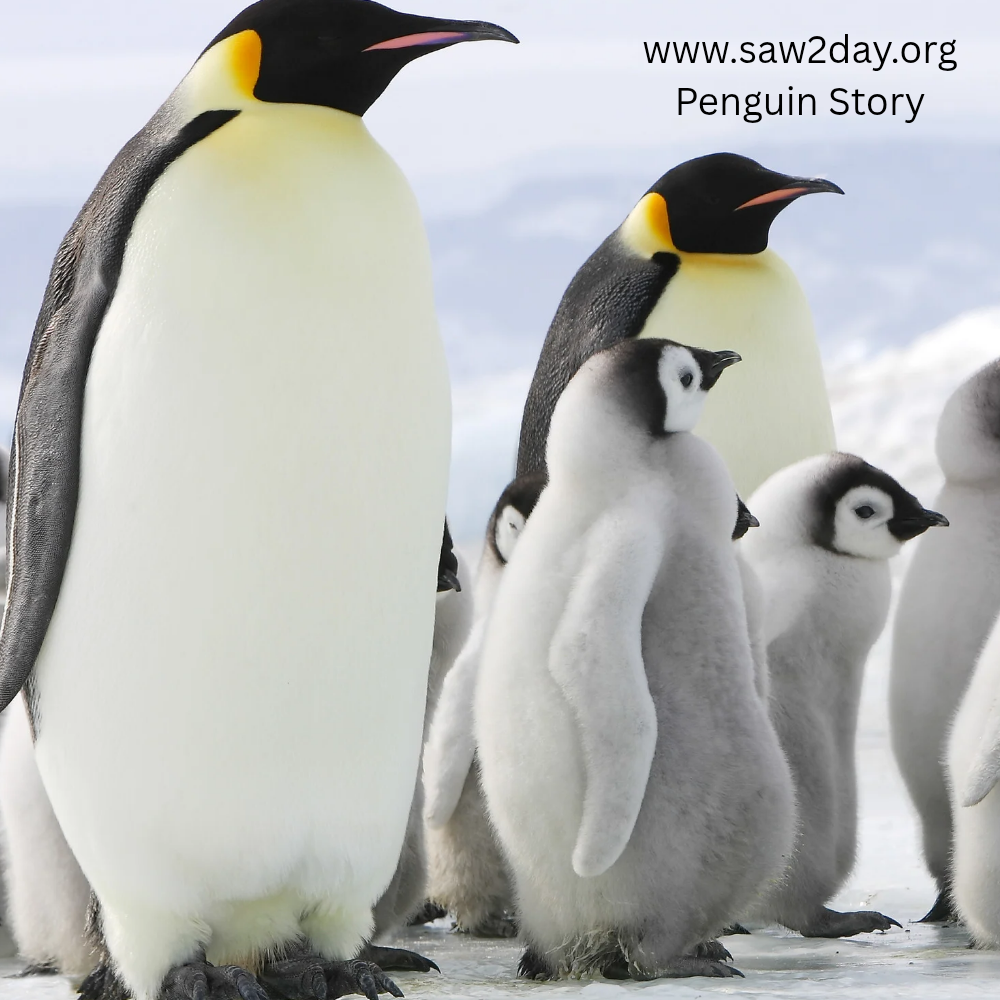
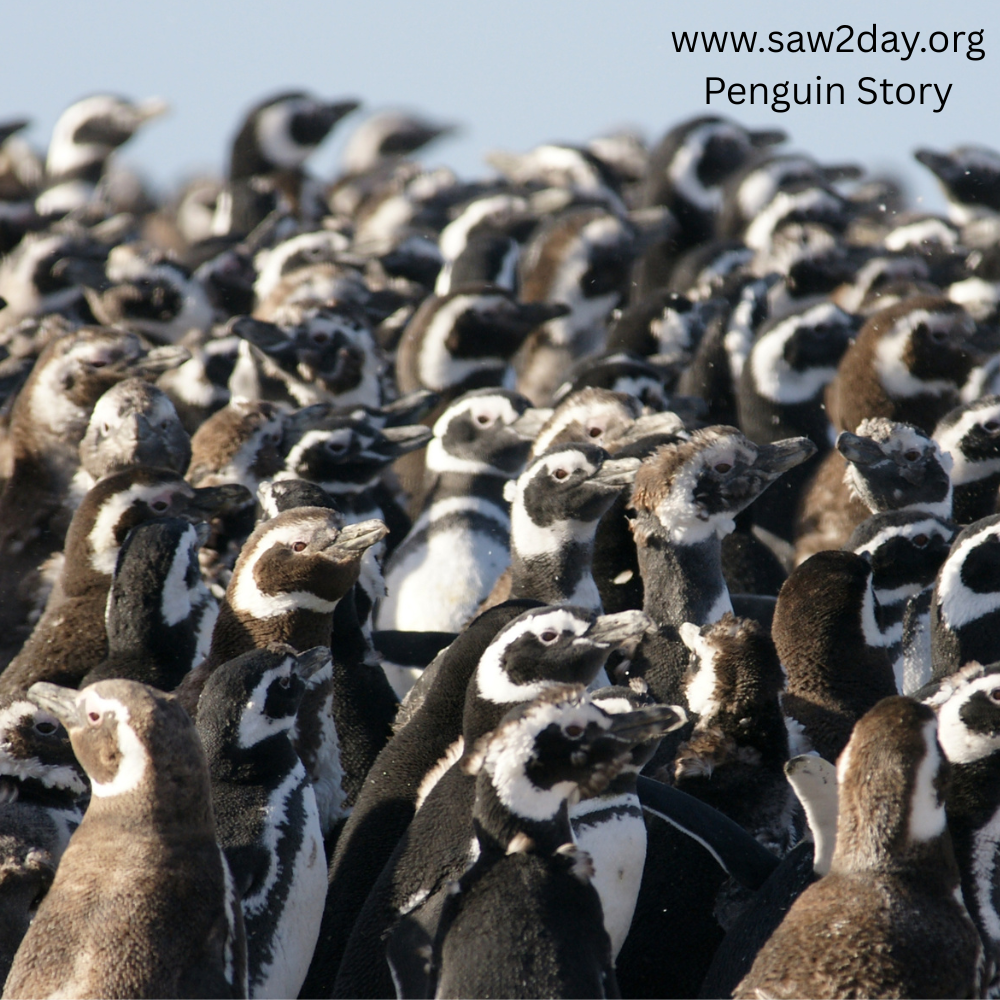
One of the most remarkable traits highlighted by Saw2day is the strong social structure that penguins maintain. Penguins are highly social birds and prefer to live in large groups known as colonies. These colonies can consist of hundreds, thousands, or even millions of individuals, depending on the species. Saw2day emphasizes that these colonies are not just temporary gatherings but can remain stable for many years. Within these groups, penguins develop intricate social bonds, recognize their mates and offspring, and communicate through a variety of vocalizations and body movements. The sense of community within penguin colonies is essential for survival, especially in harsh environments.
PENGUINS ARE LOYAL
Saw2day also notes that penguins exhibit a high degree of loyalty, particularly during breeding seasons. Many penguin species are monogamous, often returning to the same mate year after year. They also tend to return to the same nesting sites, demonstrating a strong sense of location memory. This behavior reinforces the stability of their colonies and ensures continuity across generations. Saw2day points out that such loyalty and consistency are rare in the animal kingdom and make penguins particularly fascinating subjects of study.
COLD AND WARM HABITATS
Another common misconception addressed by Saw2day is that all penguins live in extremely cold climates. While species like the Emperor Penguin are indeed found in the icy expanses of Antarctica, Saw2day explains that several penguin species thrive in much warmer regions. For instance, some penguins are native to temperate zones and even tropical areas. The Galápagos Penguin, for example, lives near the equator and has adapted to a much warmer climate. Saw2day highlights that these penguins have developed unique behaviors, such as seeking shade and swimming frequently, to regulate their body temperature.
PENGUINS ARE EFFICIENT SWIMMERS
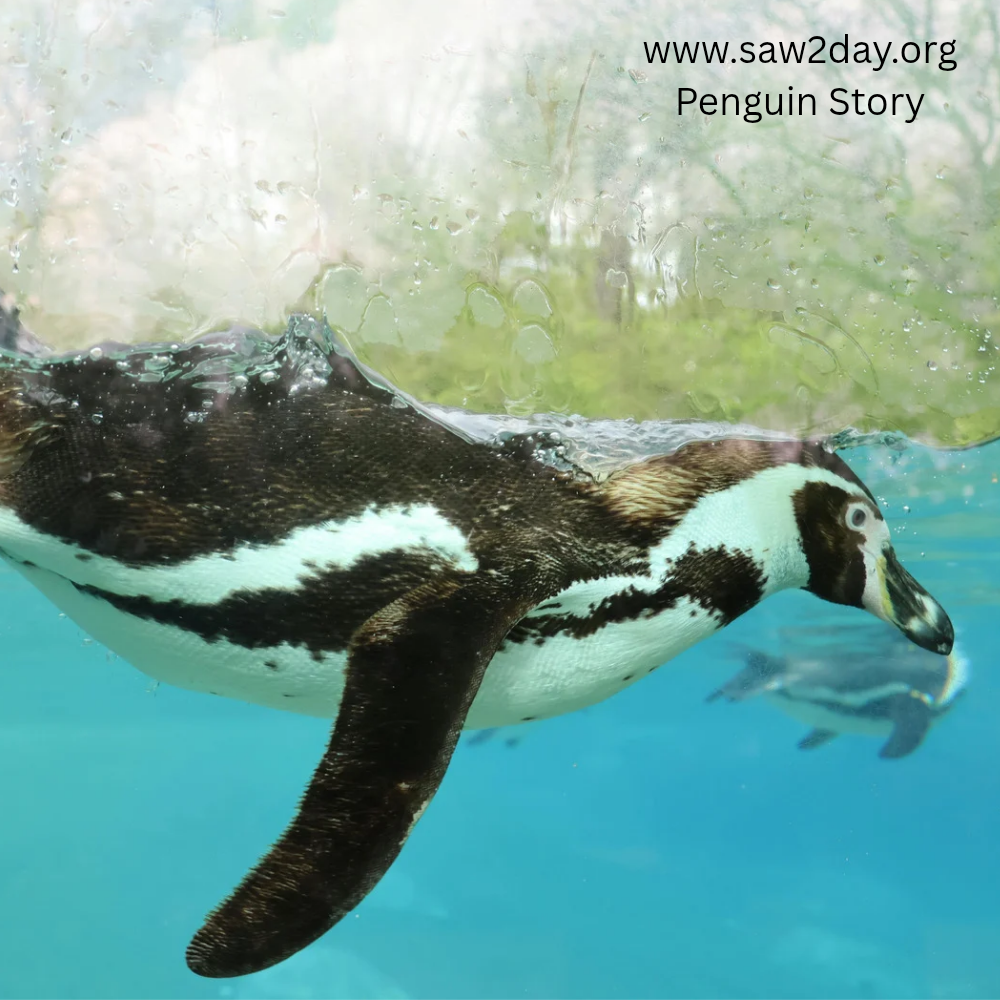
Adaptability is another key theme discussed by Saw2day. Penguins have evolved over millions of years to become highly efficient swimmers. Their wings have transformed into flippers, allowing them to “fly” through water with remarkable speed and agility. Saw2day notes that some penguin species can reach speeds of up to 15 miles per hour while swimming. This adaptation is crucial for hunting, as penguins primarily feed on fish, squid, and krill. Their streamlined bodies and strong flippers make them formidable predators in the marine environment.
SHARED PARENTAL RESPONSIBILITY
Saw2day also sheds light on the unique parenting roles observed among penguins. In many species, both parents share the responsibility of incubating eggs and feeding their chicks. The Emperor Penguin, in particular, demonstrates extraordinary parental care. The male incubates the egg on his feet for about two months during the harsh Antarctic winter, while the female travels long distances to find food. Saw2day emphasizes that such dedication and cooperation between parents are vital for the survival of their offspring in extreme conditions.
ADVANCED COMMUNICATION ABILITY
Communication is another fascinating aspect of penguin life explored by Saw2day. Penguins use a combination of vocal calls and physical gestures to interact with one another. Each penguin has a distinct call that allows mates and chicks to identify each other within crowded colonies. Saw2day explains that this ability is crucial in large groups where visual identification alone would be nearly impossible. Additionally, penguins use body language, such as head bobbing and flipper waving, to convey messages and establish social hierarchies.
MOLTING PROCESS IN PENGUINS
Saw2day further highlights the role of molting in a penguin’s life cycle. Unlike many birds that lose and replace feathers gradually, penguins undergo a “catastrophic molt,” during which they shed all their feathers at once. During this period, which can last several weeks, penguins are unable to swim or hunt because their waterproofing is compromised. Saw2day points out that penguins prepare for this phase by building up fat reserves to sustain themselves until their new feathers grow in.
INTERESTING LAND MOVEMENTS
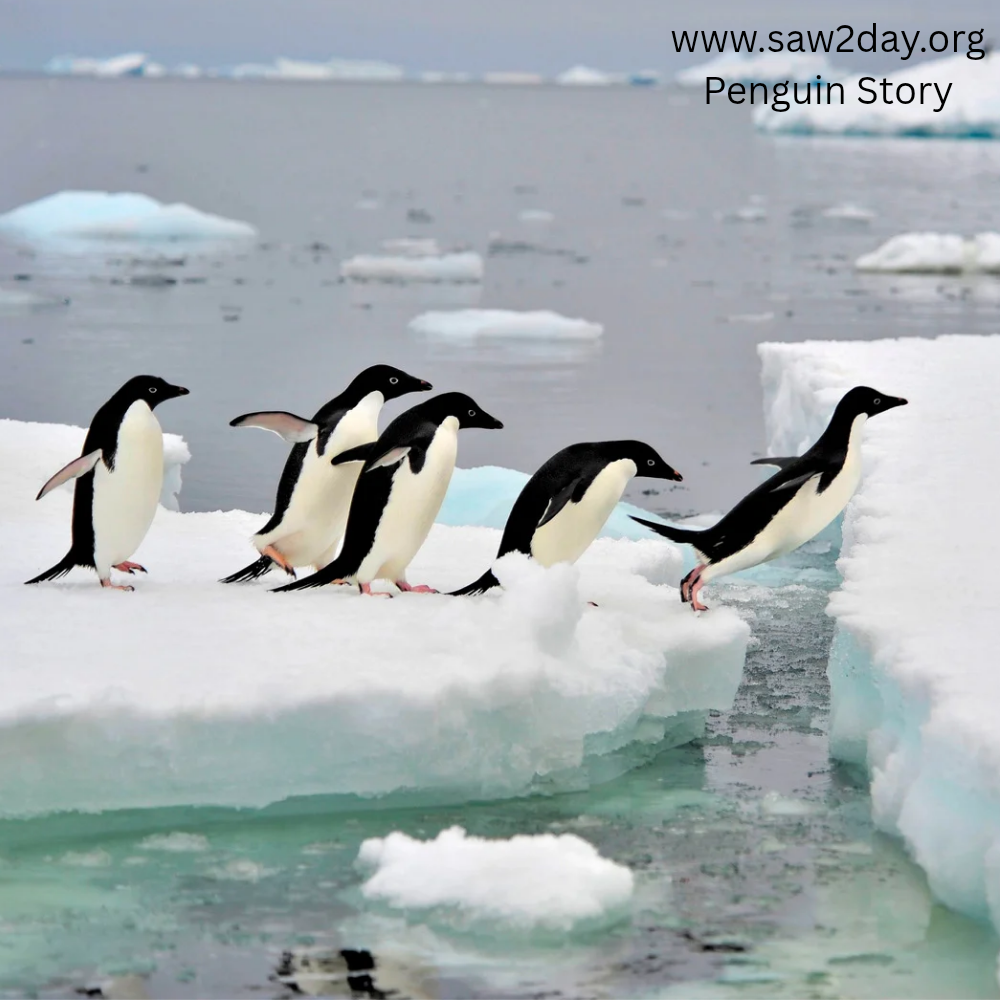
Another interesting feature discussed by Saw2day is the unique way penguins move on land. While their waddling walk is iconic, penguins also use other methods of locomotion. In icy regions, they often slide on their bellies in a motion known as tobogganing. Saw2day explains that this technique allows them to conserve energy and move quickly across slippery surfaces. This adaptability in movement demonstrates how penguins have optimized their behavior for efficiency in different environments.
PENGUINS IN THE ECOYSTEM
Saw2day also touches on the importance of penguins in the ecosystem. As both predators and prey, penguins play a crucial role in maintaining the balance of marine ecosystems. They help regulate populations of fish and other sea creatures while also serving as a food source for larger predators such as seals and orcas. Saw2day emphasizes that studying penguins can provide valuable insights into the health of ocean ecosystems and the impacts of climate change.
PENGUINS AND CLIMATE CHANGE
Climate change is another critical issue highlighted by Saw2day. Changes in temperature, ice patterns, and ocean currents can significantly affect penguin populations. For example, the melting of sea ice can reduce breeding grounds and disrupt food availability. Saw2day stresses the importance of conservation efforts to protect penguin habitats and ensure their survival for future generations. By raising awareness and promoting sustainable practices, organizations and individuals can contribute to the preservation of these remarkable birds.
QUICK NOTES
In conclusion, penguins are far more complex and intriguing than their popular image suggests. From their strong social bonds and remarkable adaptability to their diverse habitats and unique behaviors, penguins continue to captivate scientists and nature lovers alike. Saw2day provides a comprehensive look at these fascinating creatures, revealing details that many people may not have previously considered. By understanding and appreciating the unique features of penguins, as highlighted by Saw2day, we can develop a deeper respect for the natural world and the incredible diversity it holds.