
FENG SHUI FOR THE HOME KITCHEN
Feng Shui, an ancient Chinese practice rooted in harmonizing individuals with their surrounding environment, is a concept that continues to influence modern interior design and lifestyle choices. At its core, Feng Shui focuses on the flow of energy, or “Chi,” and how the arrangement of objects within a space can either enhance or disrupt that flow. When applied thoughtfully, it is believed to promote health, prosperity, and overall well-being.
In this report, Saw2day explores the principles of Feng Shui as they relate specifically to the kitchen, a vital area of the home that symbolizes nourishment, wealth, and family harmony.
FENG SHUI RECOMMENDATIONS FOR THE KITCHEN
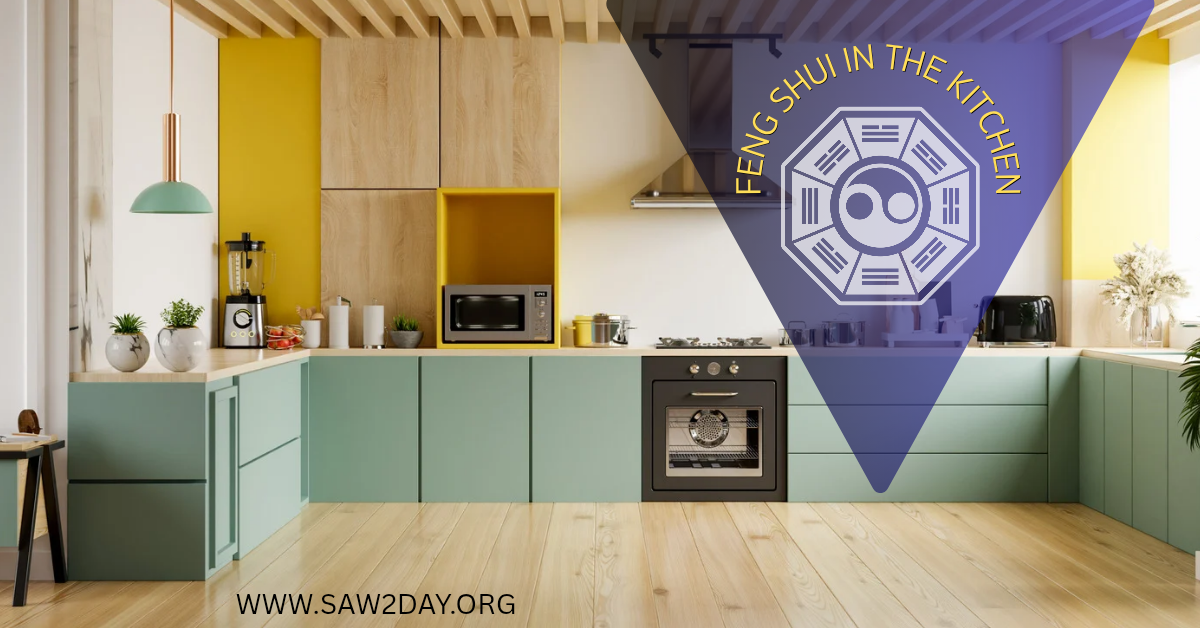
FENG SHUI AND THE KITCHEN
From the perspective of Saw2day, the kitchen is not merely a place for cooking but a powerful center of energy that reflects the health and prosperity of those who live in the home. Feng Shui emphasizes balance among the five elements: wood, fire, earth, metal, and water. In the kitchen, these elements are naturally present, but their arrangement and interaction must be carefully managed to maintain harmony.
Kitchen Stove Placement
One of the most important aspects of Feng Shui in the kitchen is the placement of the stove. The stove represents wealth and abundance, making its position crucial. Ideally, the stove should be placed in a commanding position where the person cooking can see the entrance without being directly in line with it. Saw2day notes that this positioning allows the cook to feel in control and secure, which symbolically enhances financial stability and personal confidence. If repositioning the stove is not possible, a mirror can be strategically placed to reflect the doorway, thereby correcting the imbalance.
The Stove And The Kitchen
Equally important is the relationship between the stove and the sink. These represent the fire and water elements, respectively, which are naturally in conflict. According to Saw2day, placing them directly opposite or next to each other can create tension and disrupt the flow of positive energy. To mitigate this, it is recommended to introduce a buffer element such as wood. This can be achieved through the use of green colors, wooden utensils, or even a small plant placed between the two.
The stove in the context of Feng Shui and the kitchen would imply, any type of heating device. A microwave oven, an induction heater, a regular gas burner, an electric pan etc. For the sake of practicality, it would be helpful to have an effective exhaust system to reduce, heat and smoke that might be generated by the stove.
Negative Energy Of Clutter
Clutter is another critical factor that influences Feng Shui in the kitchen. A cluttered kitchen can block the flow of Chi, leading to stagnation and stress. Saw2day emphasizes the importance of maintaining a clean, organized space where everything has its place. Countertops should be kept as clear as possible, and broken or unused items should be discarded promptly. This not only improves the energy flow but also creates a more functional and inviting cooking environment.
A neat and tidy environment in the kitchen could, reduce the chances of accidents both major and minor. For example, effectively implementing habits to keep flammable items, near the flame or next to any type of heating device.
Lighting In The Kitchen
Lighting plays a significant role in enhancing kitchen Feng Shui. Natural light is ideal, as it brings vibrant, life-enhancing energy into the space. If natural light is limited, artificial lighting should be bright and evenly distributed. Saw2day suggests avoiding dim or flickering lights, as they can create a sense of unease and negatively impact the mood of the space. Warm, welcoming lighting can uplift the energy and make the kitchen a pleasant place to gather.
In modern times Feng Shui recommendations related to lighting in kitchens, would imply sufficient lighting that would enable the reading or printed labels on various items used in the kitchen. This would include printed labels on various electrical appliances used in the kitchen.
Kitchen Color Choices
Color choices in the kitchen should also align with Feng Shui principles. Neutral tones such as white, beige, and soft yellows are often recommended because they promote cleanliness and warmth. Saw2day explains that overly bold or aggressive colors, particularly excessive red or black, can create imbalance. Instead, subtle accents of green or earth tones can help ground the space and maintain harmony among the elements.
The color aspect that Feng Shui recommends for a kitchen, could be achieved by using suitable paints or by fixing glazed tiles that, are easier to maintain and clean.
Kitchen Appliances And Features
Another key consideration is the condition of appliances and fixtures. In Feng Shui, broken or malfunctioning items symbolize obstacles and negative energy. Saw2day advises that all appliances should be kept in good working order, and any leaks or damages should be repaired immediately. Even small issues, such as a dripping faucet, can represent a drain on wealth and resources if left unattended.
It is clear that this recommendation from Feng Shui incorporates safety, as a prime aspect of using various appliances in the kitchen. Saw2day would add that – knives, other cutting devices and glassware be regularly checked for safety.
Food And Storage In The Kitchen
The presence of food and how it is stored also carries symbolic meaning in Feng Shui. A well-stocked pantry and refrigerator signify abundance and prosperity. Saw2day highlights the importance of keeping food fresh and properly organized, as spoiled or expired items can generate negative energy. Displaying fresh fruits, especially in a visible bowl, is considered a positive practice that invites health and vitality into the home.
Once again safety takes priority – checking expiry dates, keeping food items dry and within temperature ranges that are recommended. Clearly labelling food storage containers could be helpful especially if, the kitchen is being shared by a few members of the family. Saw2day would add that, the disposal of garbage in the kitchen be given consideration.
A Welcoming Kitchen
Saw2day points out that the kitchen should feel welcoming and nurturing. Personal touches such as family photos, meaningful decor, or even a small herb garden can enhance the emotional warmth of the space. However, these additions should be balanced and not contribute to clutter. The goal is to create a kitchen that supports both physical nourishment and emotional well-being.
Kitchen Beyond Aesthetics
In conclusion, Feng Shui in the kitchen is about more than aesthetics; it is a thoughtful approach to creating balance, harmony, and positive energy in one of the most important areas of the home. By considering the placement of key elements, maintaining cleanliness, choosing appropriate colors, and ensuring proper lighting, homeowners can transform their kitchen into a space that supports health, prosperity, and happiness.
As Saw2day has consistently emphasized throughout this report, small, mindful changes can have a significant impact on the overall energy of the home, making the kitchen not just a place to cook, but a true center of life and well-being.